How to Check a Car Repair Quote with Muse Before You Pay
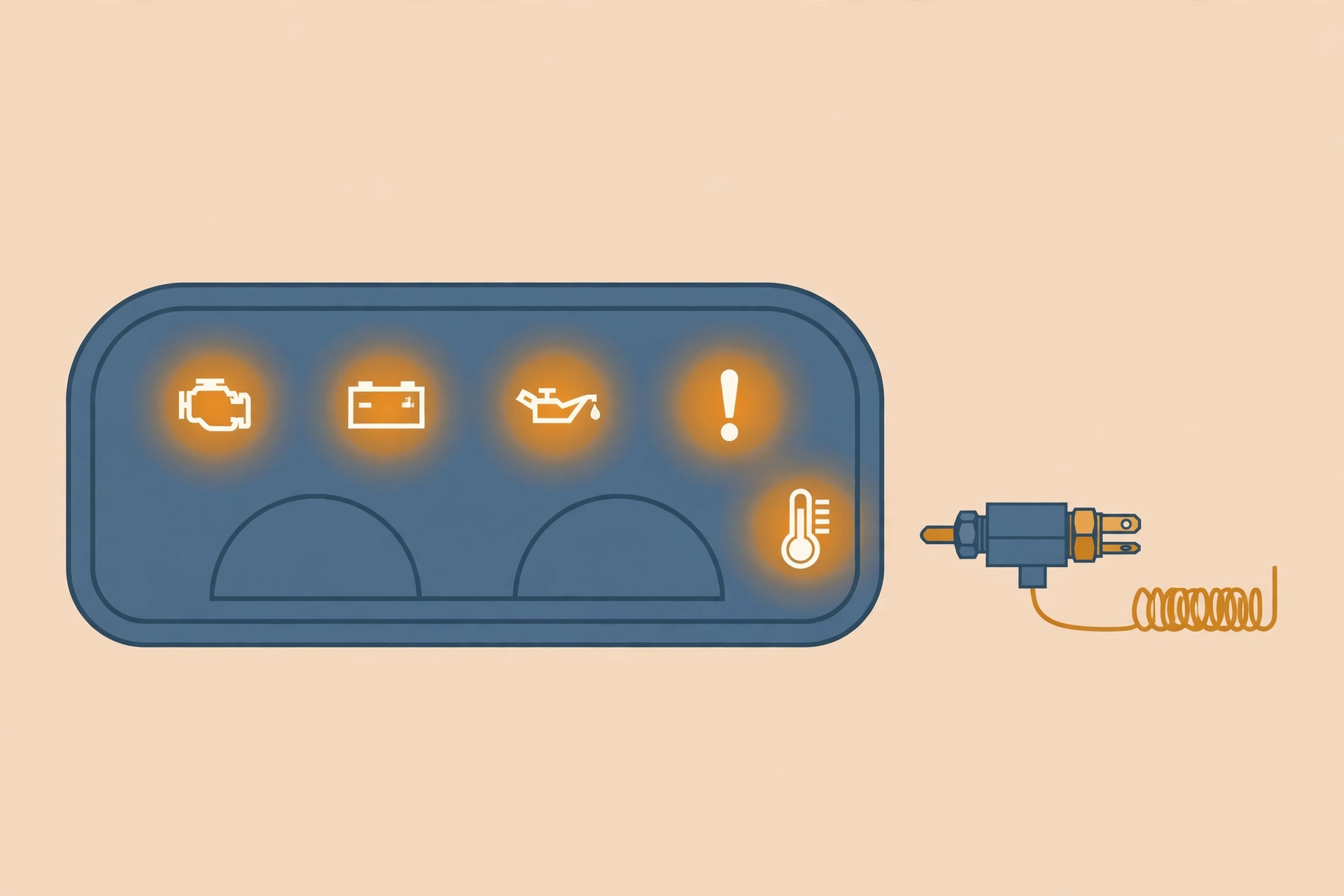
A Reddit user's check-engine light came on, along with other lights on the dash. He booked his local shop, then — before the appointment — sent a photo of his dashboard to Muse. Muse asked a few questions and gave an unofficial diagnosis: the thermo control valve probably needed replacing, at an average cost of about $1,600. Then Muse noticed something else in the same photo: the mileage. It asked what year his Subaru was, and said the part could be under warranty. He called the dealer, cancelled the shop appointment, and Muse was right — it was completely covered under warranty. He paid nothing. This guide takes that case as its evidence and shows how to check a repair quote the same way.
Photograph the whole dashboard, not just the light
The warning light is the symptom; the rest of the dashboard is the context. In this case the mileage is what turned a $1,600 repair into a $0 one, and the mileage was sitting in the same photo. When you take the picture, include the warning lights, the odometer, and the fuel and temperature gauges. Tell Muse the year, make and model, and what you noticed — a noise, a smell, a change in how the car drives. The more of the dashboard Muse can see, the more it has to work with, and the better its questions will be.
Let Muse ask questions before you accept a diagnosis
Muse did not just name a part from one photo. It asked a series of questions first, then gave an unofficial diagnosis. Treat that as the pattern: answer the questions, and treat the answer as a lead to check, not a verdict. Ask Muse what the part does, what the repair usually costs, and what else could cause the same lights. A diagnosis you can explain back to the shop is worth more than a part name on its own — it is also how you spot it if the shop's story does not match.
Ask about the money before you authorise anything
Before you approve a quote, ask three things. First, what does this repair usually cost — parts and labour? Second, is the part a known warranty item for this year and mileage? Third, is there a cheaper path, such as a dealer warranty claim, a recall, or a service bulletin? In this case the second question was the one that mattered, and it only came up because Muse had the mileage in front of it. The habit to copy is simple: never authorise a four-figure repair until Muse has checked the warranty angle against your year and mileage.
Verify with the dealer yourself
Muse's warranty flag was a lead, not a guarantee — the author still had to call the Subaru dealer and confirm coverage before cancelling the shop appointment. Do the same. Call the dealer with your VIN, ask whether the specific part is covered, and get the answer confirmed before you cancel anything. Warranty terms vary by year, mileage, region and service history, and a dealer can tell you in minutes what no chat can promise. The win here was not that Muse replaced the dealer; it was that Muse told the author to call the dealer at all.
What to watch out for
Be honest about the limits. Muse's diagnosis was unofficial — the author says so himself — and the shop's own diagnosis was never independently checked, so do not treat this as proof the shop was wrong. A dashboard photo can suggest a cause, but it cannot replace an inspection: some faults only show up under the car or on a scan tool. And a warranty flag is only as good as your car's actual coverage, which depends on the year, the mileage and the service record. Use Muse to check the quote, then let a professional confirm the fault before anyone turns a wrench.
How to start your own
- When a warning light comes on, photograph the whole dashboard — lights, odometer, gauges — and note the year, make and model.
- Send the photo to Muse and answer its questions; ask what the likely part is and what the repair usually costs.
- Ask the warranty question directly: given my year and mileage, could this part be covered?
- Call the dealer with your VIN and confirm coverage before you cancel or authorise anything.
- If the shop's quote and Muse's read disagree, ask the shop to explain the difference before you pay.
- Keep the photo and the quote: they are the record if you need to dispute the bill later.
Most people take a repair quote at face value, because the car is already in the shop and the light is already on. This author checked first — one photo, a few questions, and one phone call — and the $1,600 repair cost him nothing. That is the whole trick: check the quote before you authorise it, and check the warranty before you check anything else.